




Understanding Online Libraries
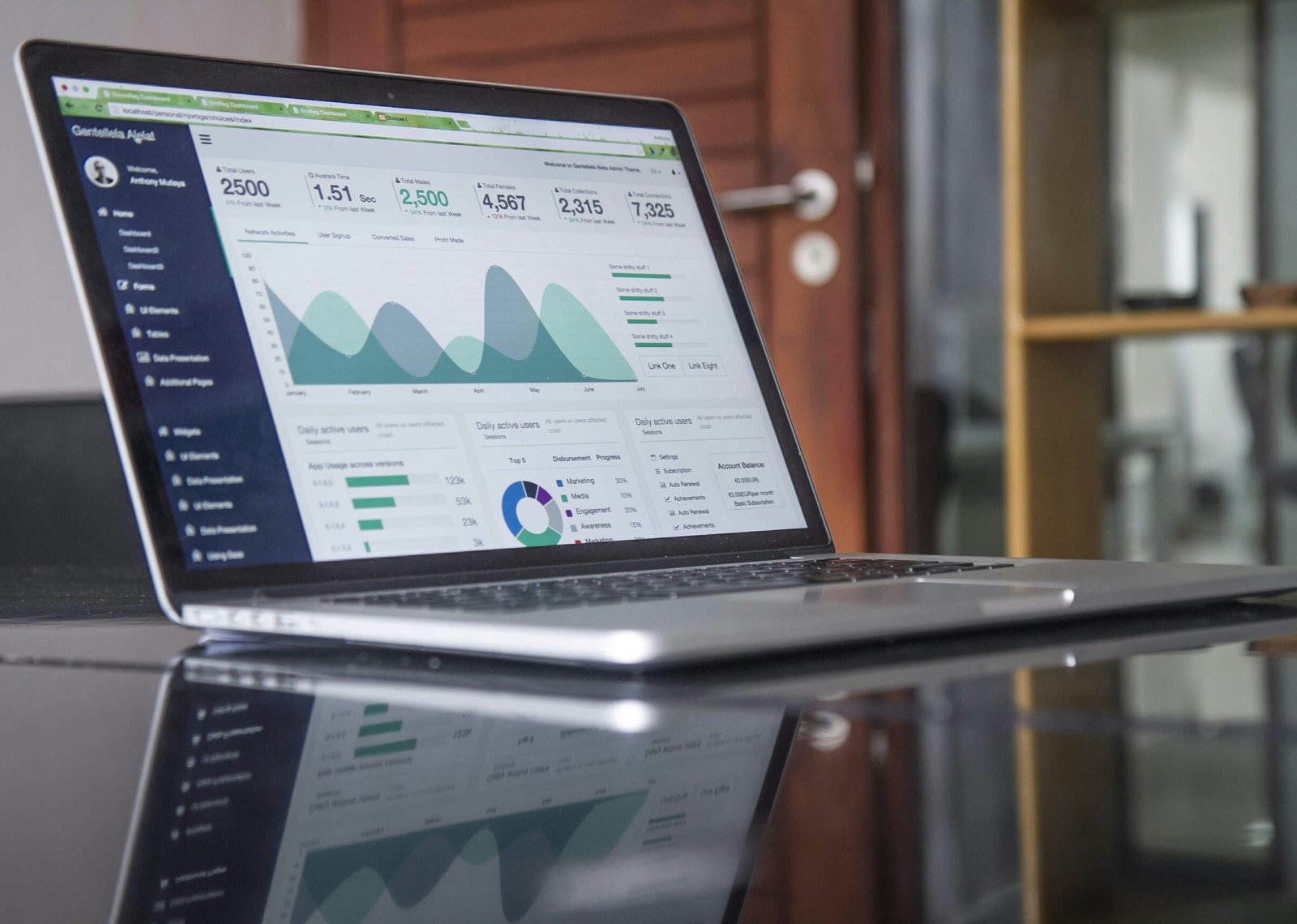
Online libraries represent a significant evolution in the way we access information and knowledge. Unlike traditional libraries, which require physical presence, online libraries allow users to connect to vast resources from anywhere, anytime. This flexibility enhances learning opportunities and provides access to materials that might not be available locally. Additionally, platforms like https://z-library.bz/ exemplify how the digital age has made it possible to house an extensive collection of books, journals, and multimedia resources, all stored in a virtual environment.
In addition to convenience, online libraries often provide unique features that traditional libraries cannot match. Advanced search functionalities, interactive catalogs, and personalized user experiences help users discover materials efficiently. Furthermore, many online libraries offer multimedia formats, including audio and video resources, making learning more engaging and diverse. This adaptability to different learning styles is a significant advantage for educators and learners alike.
Moreover, online libraries support various user needs, from casual reading to in-depth academic research. They often include specialized resources, such as databases for academic papers, historical archives, and even community forums for discussion. As educational institutions increasingly adopt digital platforms, understanding how to navigate these libraries becomes essential for students and professionals aiming to enhance their knowledge base.
Accessing Online Libraries
Accessing an online library typically starts with registering for an account. Most libraries require users to create a profile to enjoy personalized features, such as bookmarking favorite resources and receiving tailored recommendations. Registration often involves providing basic information and agreeing to the library's terms of service. Once registered, users can easily log in and explore the extensive collection available to them.
After logging in, navigating the library's homepage is crucial. Familiarizing yourself with the layout and available sections will streamline your search process. Most online libraries categorize resources into sections such as e-books, articles, audio, and videos. Additionally, many platforms feature a search bar that allows users to type in keywords, author names, or specific titles to find relevant materials quickly. Understanding how to use these features can save time and enhance the overall experience.
It’s also important to explore additional features that some online libraries offer. Many provide tutorials and guides on how to maximize the platform’s capabilities. These resources can help users learn about citation tools, accessing subscription-only articles, and utilizing advanced search options. Taking the time to explore these educational materials can significantly enhance one’s efficiency in finding and using online resources effectively.
Utilizing Resources Effectively
Once you've accessed an online library, the next step is to utilize its resources effectively. Each library typically houses a wealth of information, but knowing how to sift through it is critical. Understanding how to apply filters during searches—by date, subject, or resource type—can lead to more relevant results. For example, if researching a historical topic, filtering results to include only primary sources may yield more useful information.
Additionally, many online libraries include user reviews and ratings on their resources. These user-generated insights can provide context on the usefulness or relevance of a particular text. Engaging with these reviews can guide you toward selecting materials that are not only credible but also well-received by other users. This adds an additional layer of validation when choosing which sources to include in your research.
Moreover, online libraries often integrate citation tools that assist in managing references. Learning to use these tools can save considerable time and effort, especially for students and researchers compiling extensive bibliographies. Accurately citing sources not only enhances credibility but also fosters ethical research practices, a vital aspect of academic integrity. Familiarizing oneself with these tools can make the research process smoother and more efficient.
Challenges of Online Libraries
While online libraries offer numerous benefits, they also present several challenges. One of the most significant issues is digital literacy. Users must possess a certain level of comfort with technology to navigate online platforms effectively. For individuals who are not tech-savvy, the vast array of features and resources can be overwhelming. This can lead to frustration and a lack of engagement, ultimately hindering their research capabilities.
Another challenge is access to materials. Some online libraries may have paywalls for premium resources, limiting access for users without institutional affiliations or subscriptions. This can be particularly frustrating for independent researchers or casual readers who may lack the financial means to access certain materials. Additionally, the rapid pace of technological change means that online libraries must continuously update their systems, which can lead to temporary accessibility issues.
Finally, the abundance of information available can sometimes lead to information overload. Users may struggle to discern credible sources from unreliable ones, especially in academic contexts. This emphasizes the importance of critical thinking and research skills when engaging with online libraries. Developing the ability to evaluate sources for credibility and relevance is crucial in ensuring that one's research is both accurate and reliable.
Exploring the Online Library Experience
To truly unlock the potential of online libraries, it's important to explore the user experience they offer. Many platforms are designed with user engagement in mind, featuring intuitive interfaces and responsive design. The experience is often tailored to meet the needs of diverse user groups, from students to lifelong learners. Engaging with the various aspects of the library can enhance not only learning but also foster a sense of community among users.
Additionally, many online libraries host webinars, workshops, and community forums. These events provide opportunities for users to learn from experts, share knowledge, and connect with peers. Engaging in these interactive spaces can deepen your understanding of the resources available and offer valuable networking opportunities. Building connections within these communities can also facilitate collaborative research efforts.
Ultimately, the online library experience is about more than just accessing information; it’s about cultivating a deeper understanding of the resources available and building skills that extend beyond the digital realm. As technology continues to evolve, so too will the methods by which we access and engage with knowledge. Taking full advantage of these online libraries can pave the way for a more informed and connected world.